Remodeling contractor
Remodeling in Dallas
Dozens of separate districts, each with its own rules: landmark districts with their own ordinances and design criteria, and conservation districts that are a different thing entirely.
Which one you own decides the job long before anyone picks a tile, so we start there. Every price we give you is fixed and in writing before demolition, and the permit dates sit in your schedule rather than arriving as a surprise in week two.
What we remodel in Dallas
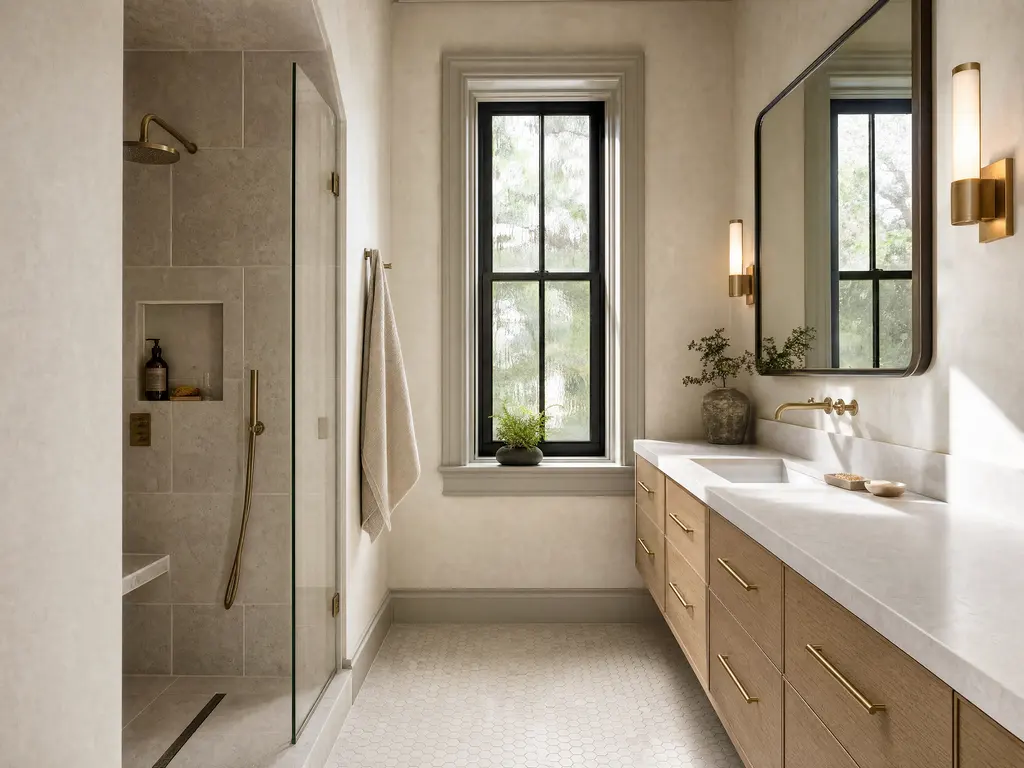
Bathroom remodeling in Dallas
Dallas bathrooms divide by era before anything else. A 1920s house east of downtown gives you a small room over a crawl space and generous options for moving a drain. A post-war house north of it gives you a slab, where the same drawing costs considerably more.
See real prices
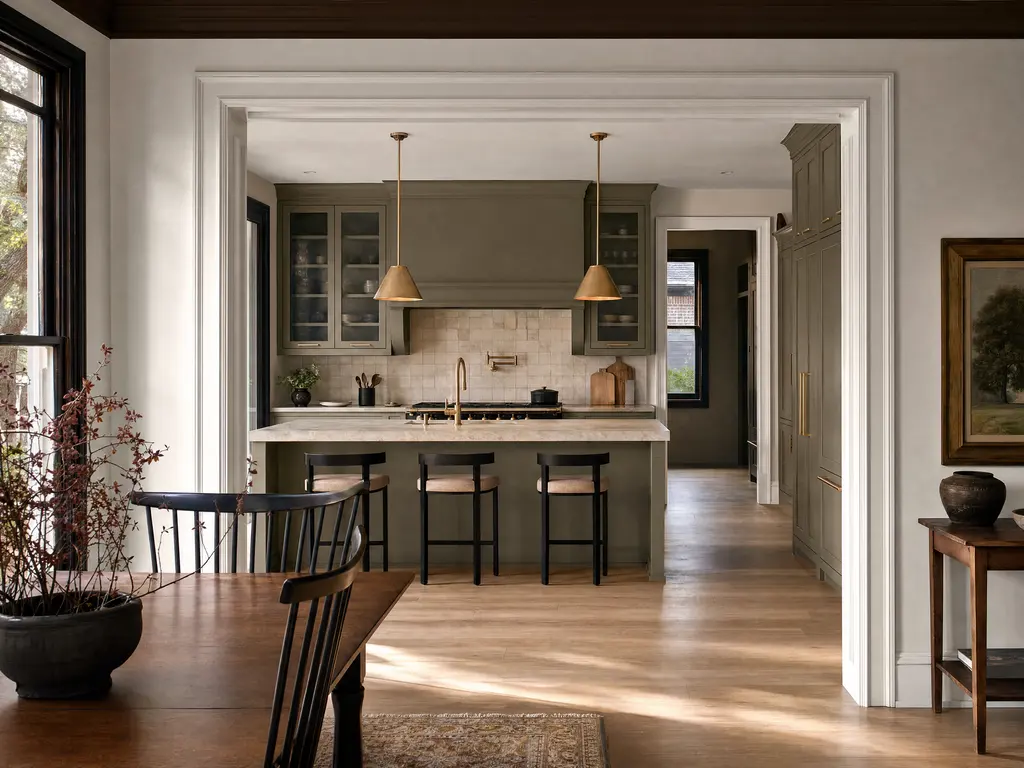
Kitchen remodeling in Dallas
The kitchen in a 1920s Dallas house was built as a back-of-house room, closed off from the dining room and often with a pantry or a service stair taking up part of it. Opening it up is what almost everyone wants, and it is a framing question long before it is a cabinetry one.
See real prices
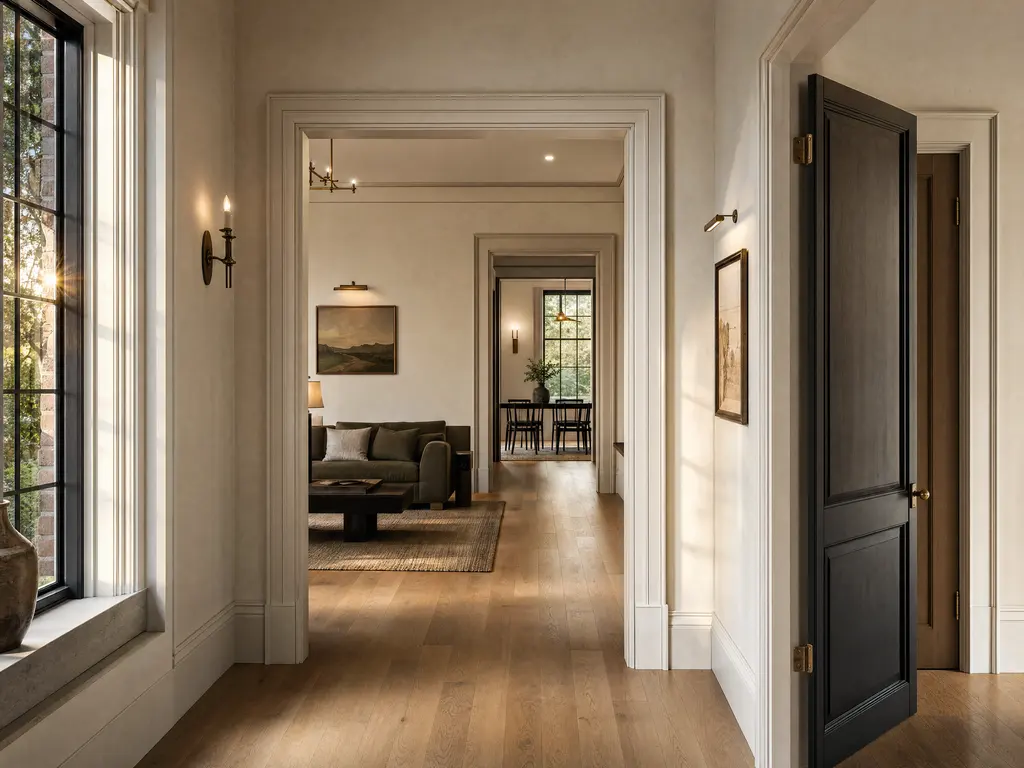
Whole-home remodeling in Dallas
A whole-house project is the point where the district rules stop being a footnote. One room stays inside the walls and touches nothing. A whole house reaches windows, siding, porches and rooflines, which is exactly what a Certificate of Appropriateness governs, and in Dallas the criteria are written per district rather than citywide.
See real prices


In Dallas the first question is not what you want. It is which district you are in.
Landmark and conservation districts, east and north of downtown
Landmark districts, conservation districts, and the gap between them
Dallas protects neighborhoods two different ways and they are not interchangeable. A landmark district is the stricter one: exterior work needs a Certificate of Appropriateness before it starts, reviewed against design criteria written for that specific district rather than a citywide standard. Swiss Avenue, Munger Place, Junius Heights and Winnetka Heights each have their own ordinance.
A conservation district is the lighter one. It regulates things like setbacks, height and street-facing character rather than applying full preservation criteria, so plenty of work that would need a Certificate of Appropriateness a few streets away does not need one here. The two look identical from the sidewalk and are frequently confused, which is how a project gets designed against the wrong rulebook.
In a landmark district there is usually a step before the commission. A neighborhood task force reviews the application first and its recommendation goes up with the case, so the practical timeline includes a meeting that does not appear on any permit checklist. We find out which district you are in and what its criteria actually say before we design anything, because designing first and checking second is how a project loses a month.
Interior work is a different matter entirely. A bathroom or kitchen rebuilt inside its existing walls does not touch either process. Permits for plumbing, electrical and framing are separate and ordinary, and we pull them and manage the inspections as part of the fixed price.
Get your fixed price.
Three quick steps. Tell us the room and roughly what you have in mind, and the last step is the only place we ask for your number.
Step 1 of 3
The fear is not the price. It is being left mid-build.
These four commitments are in the contract rather than on a badge.
A fixed written price
The number we sign is the number you pay. It moves only through a written change order you approve before any work starts.
A named project manager with a cell number
One person owns your project from demolition to final walkthrough. You get their mobile number on day one, and they answer it.
A written update every Friday
Photos, what happened this week, what happens next, and whether we are on schedule, in your inbox before the weekend either way.
Broom-clean every evening
Floor protection down every morning, tools packed out and floors swept every night. You are living here while we work, and we work like it.